Will vs Going To | The Future Tense Difference Explained Clearly
リアクション
2026年06月20日
☕ Welcome back to English The Natural Way!
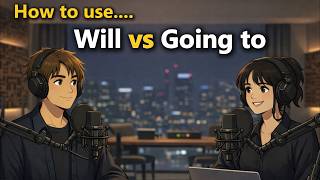
In today's episode, Alex and Linda explain one of the most common grammar questions English learners ask:
👉 Will vs Going To
Both forms talk about the future, but they are not always interchangeable.
Many learners understand the basic meaning of these expressions, but they often struggle to know:
❌ When to use will
❌ When to use going to
❌ Why native speakers choose one over the other
❌ Which form sounds most natural in real conversations
In this lesson, you'll finally learn the difference through clear explanations, natural conversations, and practical examples you can use immediately.
🌍 What You Will Learn In This Episode
✅ 1. Will for Spontaneous Decisions
Learn why native speakers use will when they decide something at the moment of speaking.
Examples:
✔ I'll answer the phone.
✔ I'll have the pasta, please.
✔ I'll help you carry that bag.
✔ I'll charge my phone before I leave.
You'll learn how "will" is connected to quick decisions, offers, and immediate reactions.
✅ 2. Going To for Plans and Intentions
Discover how native speakers use going to for plans that already exist before the conversation begins.
Examples:
✔ I'm going to start exercising next week.
✔ I'm going to visit my parents this weekend.
✔ I'm going to take a cooking class.
✔ I'm going to travel next summer.
You'll understand why "going to" often signals preparation, intention, and previous decisions.
✅ 3. Going To for Predictions Based on Evidence
Learn how to make predictions when you can see evidence right now.
Examples:
✔ It's going to rain.
✔ You're going to drop those boxes.
✔ We're going to have an accident.
✔ That plant is going to die.
This is one of the biggest differences between "will" and "going to."
✅ 4. Will for Opinions and Future Predictions
Learn when to use will for general beliefs and opinions about the future.
Examples:
✔ I think it will rain this weekend.
✔ Technology will change our lives.
✔ She will be successful one day.
✔ Electric cars will become more popular.
You'll hear natural phrases such as:
✔ I think...
✔ I believe...
✔ I'm sure...
✔ Probably...
✔ I doubt...
that commonly appear with "will."
✅ 5. Will for Promises and Offers
Master one of the most useful real-life uses of "will."
Examples:
✔ I'll help you.
✔ I'll be there on time.
✔ I won't forget.
✔ I'll make some tea.
These expressions appear constantly in daily conversations and professional communication.
✅ 6. Side-by-Side Comparisons
This lesson includes direct comparisons that make the difference easy to understand:
✔ I'll cook dinner tonight.
vs
✔ I'm going to cook dinner tonight.
✔ I'll fix it.
vs
✔ I'm going to fix it.
✔ I think it will rain.
vs
✔ It's going to rain.
These comparisons help you feel the difference naturally.
✅ 7. Common Mistakes English Learners Make
Avoid mistakes such as:
❌ Using "going to" for spontaneous offers
❌ Using "will" for clear plans
❌ Confusing predictions and evidence
❌ Overusing one future form for every situation
Alex and Linda explain how to fix these mistakes step by step.
🎧 Perfect For:
✔ English learners
✔ ESL students
✔ Intermediate learners
✔ IELTS preparation
✔ TOEFL preparation
✔ Job interview preparation
✔ Everyday English conversations
✔ Speaking confidence improvement
☕ Why This Lesson Matters
Native speakers use will and going to every day when talking about:
🏠 Daily life
💼 Work
✈ Travel
🎓 Education
👨👩👧 Family
📱 Future plans
Understanding the difference will help you sound more natural, fluent, and confident in English conversations.
💬 Practice Challenge
Write one sentence using WILL and one sentence using GOING TO in the comments.
Example:
✔ I think I will watch a movie tonight.
✔ I'm going to visit my grandparents this weekend.
We love reading your examples and helping you improve!
👍 Support the Channel
If you enjoyed this lesson:
✔ Like this video
✔ Subscribe to English The Natural Way
✔ Share this lesson with another English learner
Every lesson brings you one step closer to speaking English naturally and confidently. 🌿✨
See you in the next episode!
#WillVsGoingTo #englishgrammar #learnenglish #futuretense #englishspeaking #grammarlesson #englishpodcast #englishlearning #speakenglish #englishfluency #esl #naturalenglish #dailyenglish #EnglishTheNaturalWay #WillVsGoingTo #englishgrammar #learnenglish #futuretense #englishspeaking #grammarlesson #englishpodcast #englishlearning #speakenglish #englishfluency #esl #naturalenglish #dailyenglish #englishteacher #englishpractice
In today's episode, Alex and Linda explain one of the most common grammar questions English learners ask:
👉 Will vs Going To
Both forms talk about the future, but they are not always interchangeable.
Many learners understand the basic meaning of these expressions, but they often struggle to know:
❌ When to use will
❌ When to use going to
❌ Why native speakers choose one over the other
❌ Which form sounds most natural in real conversations
In this lesson, you'll finally learn the difference through clear explanations, natural conversations, and practical examples you can use immediately.
🌍 What You Will Learn In This Episode
✅ 1. Will for Spontaneous Decisions
Learn why native speakers use will when they decide something at the moment of speaking.
Examples:
✔ I'll answer the phone.
✔ I'll have the pasta, please.
✔ I'll help you carry that bag.
✔ I'll charge my phone before I leave.
You'll learn how "will" is connected to quick decisions, offers, and immediate reactions.
✅ 2. Going To for Plans and Intentions
Discover how native speakers use going to for plans that already exist before the conversation begins.
Examples:
✔ I'm going to start exercising next week.
✔ I'm going to visit my parents this weekend.
✔ I'm going to take a cooking class.
✔ I'm going to travel next summer.
You'll understand why "going to" often signals preparation, intention, and previous decisions.
✅ 3. Going To for Predictions Based on Evidence
Learn how to make predictions when you can see evidence right now.
Examples:
✔ It's going to rain.
✔ You're going to drop those boxes.
✔ We're going to have an accident.
✔ That plant is going to die.
This is one of the biggest differences between "will" and "going to."
✅ 4. Will for Opinions and Future Predictions
Learn when to use will for general beliefs and opinions about the future.
Examples:
✔ I think it will rain this weekend.
✔ Technology will change our lives.
✔ She will be successful one day.
✔ Electric cars will become more popular.
You'll hear natural phrases such as:
✔ I think...
✔ I believe...
✔ I'm sure...
✔ Probably...
✔ I doubt...
that commonly appear with "will."
✅ 5. Will for Promises and Offers
Master one of the most useful real-life uses of "will."
Examples:
✔ I'll help you.
✔ I'll be there on time.
✔ I won't forget.
✔ I'll make some tea.
These expressions appear constantly in daily conversations and professional communication.
✅ 6. Side-by-Side Comparisons
This lesson includes direct comparisons that make the difference easy to understand:
✔ I'll cook dinner tonight.
vs
✔ I'm going to cook dinner tonight.
✔ I'll fix it.
vs
✔ I'm going to fix it.
✔ I think it will rain.
vs
✔ It's going to rain.
These comparisons help you feel the difference naturally.
✅ 7. Common Mistakes English Learners Make
Avoid mistakes such as:
❌ Using "going to" for spontaneous offers
❌ Using "will" for clear plans
❌ Confusing predictions and evidence
❌ Overusing one future form for every situation
Alex and Linda explain how to fix these mistakes step by step.
🎧 Perfect For:
✔ English learners
✔ ESL students
✔ Intermediate learners
✔ IELTS preparation
✔ TOEFL preparation
✔ Job interview preparation
✔ Everyday English conversations
✔ Speaking confidence improvement
☕ Why This Lesson Matters
Native speakers use will and going to every day when talking about:
🏠 Daily life
💼 Work
✈ Travel
🎓 Education
👨👩👧 Family
📱 Future plans
Understanding the difference will help you sound more natural, fluent, and confident in English conversations.
💬 Practice Challenge
Write one sentence using WILL and one sentence using GOING TO in the comments.
Example:
✔ I think I will watch a movie tonight.
✔ I'm going to visit my grandparents this weekend.
We love reading your examples and helping you improve!
👍 Support the Channel
If you enjoyed this lesson:
✔ Like this video
✔ Subscribe to English The Natural Way
✔ Share this lesson with another English learner
Every lesson brings you one step closer to speaking English naturally and confidently. 🌿✨
See you in the next episode!
#WillVsGoingTo #englishgrammar #learnenglish #futuretense #englishspeaking #grammarlesson #englishpodcast #englishlearning #speakenglish #englishfluency #esl #naturalenglish #dailyenglish #EnglishTheNaturalWay #WillVsGoingTo #englishgrammar #learnenglish #futuretense #englishspeaking #grammarlesson #englishpodcast #englishlearning #speakenglish #englishfluency #esl #naturalenglish #dailyenglish #englishteacher #englishpractice